
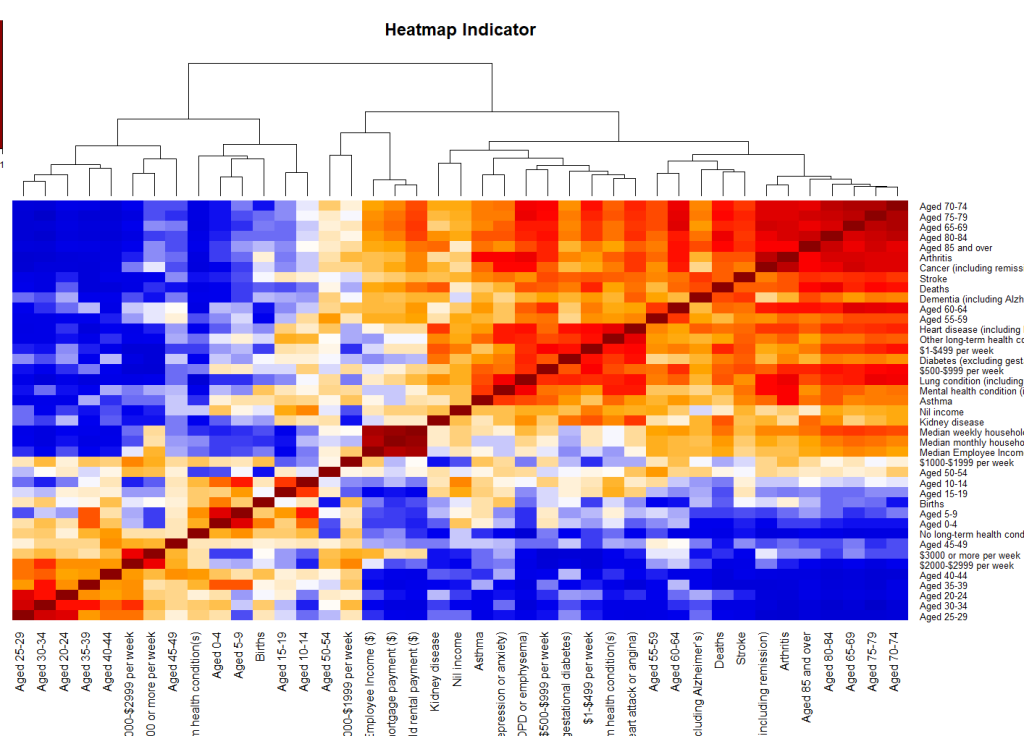
In my master’s dissertation, I explored how urban scaling principles can be used to understand city growth and its social, economic, and infrastructural patterns. The research not only shed light on how cities evolve but also provided practical insights that can guide urban planning and policy design.
Key Findings
The analysis showed that urban systems do not grow in a simple linear manner. Instead, they exhibit scaling patterns where certain variables, such as infrastructure needs, economic activity, and social factors, increase at different rates depending on population size. For example, larger cities tend to show higher productivity per capita, but also increased inequality and congestion risks. Recognising these patterns is critical for policymakers who must balance growth with sustainability.
Conclusion
The main conclusion drawn from my dissertation is that urban scaling provides a reliable framework for understanding city dynamics. However, it also highlights that growth is not without trade-offs. While larger cities may bring higher innovation and efficiency, they also present challenges in governance, equity, and environmental impact. This reinforces the need for tailored strategies when applying urban policies across different city sizes.
Recommendations
Based on the findings, I recommended the following:
- Policy differentiation by city size: Policies should not be one-size-fits-all. Smaller cities need investment strategies that boost innovation, while larger cities require interventions to mitigate congestion and inequality.
- Integrated data-driven planning: Authorities should invest in advanced data systems to monitor scaling effects in real time. This allows for adaptive policies that respond to rapid urban change.
- Collaboration between planners and data scientists: Urban planning should increasingly rely on quantitative methods. Data cleaning, transformation, and modelling techniques can improve policy effectiveness and transparency.
Data Source
The dataset for this research was primarily obtained from the Australian Bureau of Statistics (ABS), accessible at www.abs.gov.au. This provided demographic, economic, and health indicators across different regions of Western Australia, forming the backbone of the analysis.
Technical Skills Applied
In carrying out this research, I relied heavily on tools such as Excel, SQL, Power BI, and Python. These were used to clean and transform datasets, perform statistical analysis, and visualise scaling trends through dashboards. This technical foundation made it possible to convert raw data into clear insights that supported the study’s conclusions.
Final Thoughts
Cities will continue to grow, and their patterns of expansion can either strengthen or strain social systems. By applying data-driven methods to urban scaling, we can better anticipate challenges and design more sustainable futures. My dissertation reaffirmed my passion for combining research with practical data analysis, ensuring that insights are not only academic but also applicable in the real world.